Floral Decorative Elements: A Creative Guide
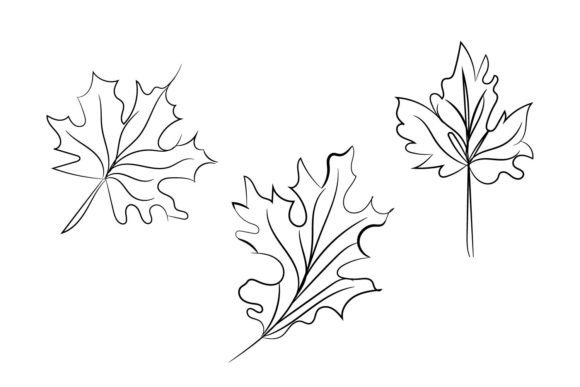
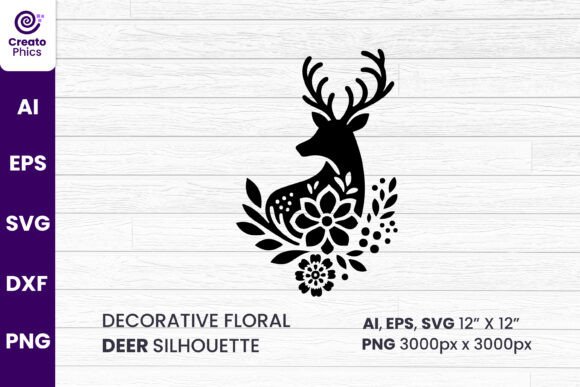
There is a timeless quality to nature's designs that never fails to resonate with audiences across every demographic. Whether you are drafting a wedding invitation, designing a product label, or building a brand identity from scratch, Floral Decorative Elements Floral offers a versatile foundation for visual storytelling. These assets are not merely static images; they are the building blocks of elegance, growth, and organic beauty. When you integrate high-quality botanical illustrations into your workflow, you unlock a level of sophistication that resonates deeply with viewers who appreciate detail and craftsmanship.
The true value of this collection lies in its adaptability. You will receive a compressed 1 zipped file containing a comprehensive suite of formats designed to meet the rigorous demands of modern design. Inside, you will find an AI file, EPS File, High-quality PNG file, SVG file, and PDF file. This variety ensures that whether you are a vector purist needing infinite scalability or a web designer requiring crisp raster graphics, you have the right tool for the job. However, before diving into creation, please make sure your machine has the ability to use these formats. Compatibility is key to a smooth workflow, and having the right software installed prevents frustration later in the process.
Unlocking Versatility Through File Formats
Understanding the specific strengths of each file type included in your download is the first step toward professional results. The AI and EPS files are your go-to resources for print media. If you are creating large-format banners, business cards, or packaging where resolution cannot be compromised, these vector formats allow you to scale elements from the size of a stamp to a billboard without losing a single pixel of clarity. They preserve the integrity of every petal and leaf curve, giving you full control over color manipulation and path editing.
For digital applications, the High-quality PNG file is indispensable. With transparent backgrounds, these images drop seamlessly into website headers, social media posts, and email newsletters. They render sharply on retina displays, ensuring your floral motifs look crisp on any device. Meanwhile, the SVG file bridges the gap between design and development, offering lightweight scalability for responsive web design that loads quickly while maintaining visual fidelity. Finally, the PDF file serves as an excellent reference or a quick-print solution for clients who may not have specialized design software but need to visualize the final output.
Creative Applications for Diverse Professionals
The utility of Floral Decorative Elements Floral extends far beyond simple decoration. For marketers and small business owners, these elements can humanize a brand. In an era of digital saturation, organic shapes provide a comforting contrast to rigid grids and sans-serif typography. Imagine a coffee shop using delicate vine illustrations to frame their seasonal menu, instantly conveying a sense of freshness and artisanal care. Or consider a wellness coach incorporating soft botanical watercolors into their course materials to evoke tranquility and growth.
Freelancers and publishers can leverage these assets to create cohesive thematic series. If you are working on a lifestyle blog, using consistent floral dividers and corner accents creates a recognizable visual language that keeps readers engaged. Educators can utilize these graphics to make learning materials more inviting, breaking up dense text with visually appealing breaks that aid retention. The key is intentionality; do not just place a flower because it looks nice. Ask yourself what that specific bloom communicates. A bold sunflower suggests energy and warmth, while a muted eucalyptus sprig implies calm and stability.
Tailoring Styles to Your Audience
One of the most powerful aspects of working with a diverse file set is the ability to reinterpret styles based on your target audience. A tech startup might opt for a minimalist approach, using the vector outlines in a monochromatic scheme to suggest innovation rooted in nature. Conversely, a boutique bakery might embrace the full-color, detailed versions to highlight richness and indulgence. By manipulating the opacity, blending modes, or color palettes within your design software, you can transform the same base element to fit vastly different brand voices.
When adapting these elements, consistency is paramount. If you choose a hand-drawn aesthetic for your header, ensure your subheaders and footers reflect that same texture. Mixing hyper-realistic photos with sketchy vectors can often look disjointed unless done with extreme skill. Stick to a defined style guide. Decide early on if your floral theme will be vintage, modern, whimsical, or structured, and let that decision drive every placement choice. This discipline ensures that your final product feels curated rather than cluttered.
Practical Tips for Implementation
To get the most out of your download, organize your assets immediately. Create a folder structure on your machine that separates vectors from rasters. This simple habit saves hours of searching when you are in the middle of a creative flow. When working with the AI or EPS files, take advantage of layer management. Group related elements together so you can easily toggle visibility or adjust specific components without affecting the entire composition.
Remember that white space is your friend. Floral elements are intricate; crowding them together can overwhelm the viewer. Allow the designs to breathe. Use them to frame content rather than compete with it. For instance, place a floral cluster in the bottom right corner of a slide deck to anchor the text, leaving the rest of the canvas open for your message. This balance between decoration and functionality is what separates amateur designs from professional work.
If you encounter technical hurdles, remember that support is available. Feel free to contact me with any issues you may have regarding file compatibility or usage. I am always willing to help ensure your creative process remains uninterrupted. Whether you need clarification on how to open a specific vector format in an older software version or advice on color profiling for print, reaching out can save you significant time and stress.
Fostering Originality in Common Themes
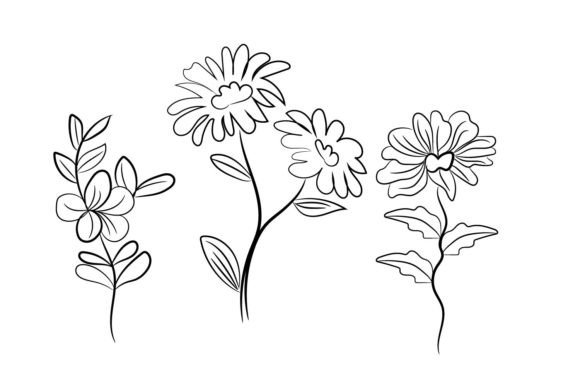
Floral motifs are popular, which means standing out requires a unique touch. Avoid using the elements exactly as they appear in the preview images. Rotate them, mirror them, or combine different stems to create custom bouquets that no one else has. Experiment with duotone effects or overlay textures to give the vectors a gritty, tactile feel. The goal is to make the asset yours. When you manipulate the source files creatively, you move from being a consumer of stock art to a creator of original design.
Ultimately, Floral Decorative Elements Floral is about enhancing communication through beauty. It provides the raw material for you to build narratives that connect emotionally with your audience. Whether you are designing a logo, a website, or a printed brochure, these tools empower you to add a layer of polish and personality that generic clipart simply cannot match. Embrace the flexibility of the formats, respect the details of the design, and let your creativity guide how these natural forms serve your specific goals.