Integrating the Vintage Decorative Floral Motif Pattern into Professional Creative Workflows
In the current landscape of digital design and physical product creation, the demand for authentic, high-quality assets is higher than ever. Designers, small business owners, and content creators are constantly searching for elements that bridge the gap between nostalgic charm and modern utility. The Vintage Decorative Floral Motif Pattern serves as a critical asset in this ecosystem, offering a versatile foundation for projects ranging from apparel design to home decor. However, acquiring the asset is only the first step; understanding how to integrate it effectively into a broader workflow determines the success of the final output.
This guide explores the practical application of this specific design resource, focusing on file compatibility, preparation strategies, and implementation across various mediums. By treating the design not just as an image but as a functional component of your production pipeline, you can maximize efficiency and maintain consistent quality.
Understanding the Asset and File Architecture
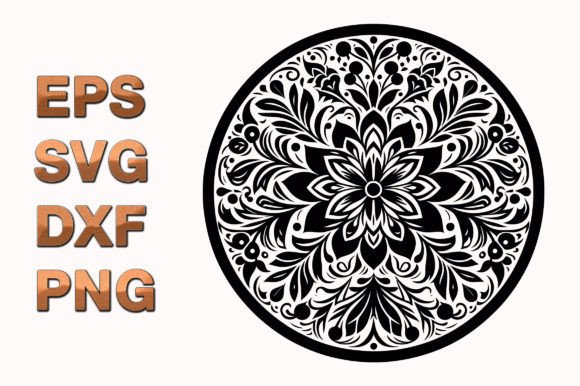
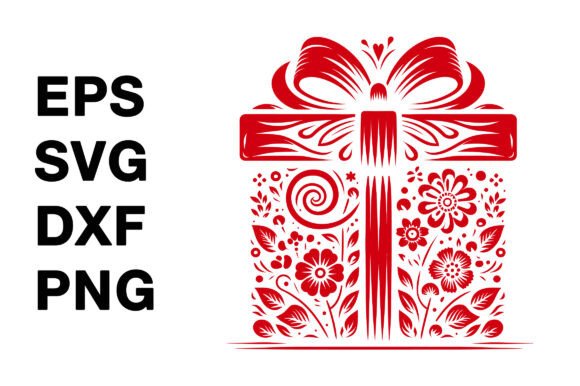
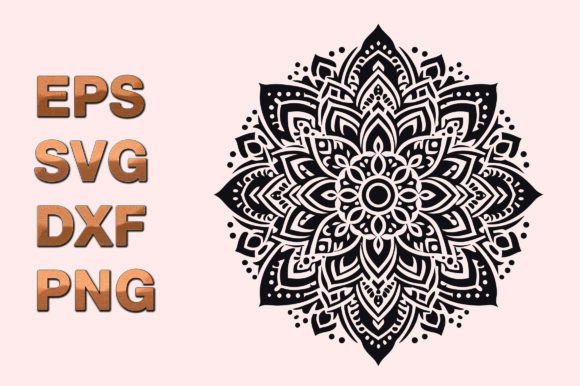
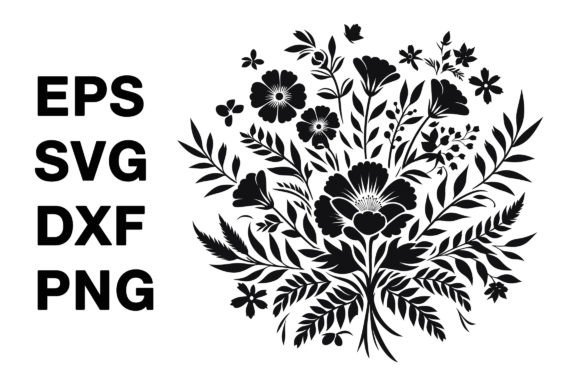
Before diving into execution, it is essential to understand the technical composition of the Vintage Decorative Floral Motif Pattern package you are working with. A professional workflow relies on having the right file formats for the right stage of production. The comprehensive package typically includes four distinct file types: EPS, SVG, DXF, and PNG. Each serves a specific purpose within the design and manufacturing process.
The EPS (Encapsulated PostScript) file is your primary source for high-fidelity print work. As a vector format, it allows for infinite scaling without loss of resolution. This is crucial when adapting the floral motif for large-format applications like wall art or posters, where pixelation would be unacceptable. Similarly, the SVG (Scalable Vector Graphics) file is indispensable for web-based projects and modern cutting machines. Its XML-based structure ensures crisp rendering on screens of any density and seamless compatibility with software like Cricut Design Space or Silhouette Studio.
For those involved in laser cutting or CNC routing, the DXF (Drawing Exchange Format) file provides the necessary geometric data for machinery interpretation. Finally, the PNG transparent file, specifically at a high resolution of 4000 x 4000 pixels, offers a ready-to-use raster option. This is ideal for quick mockups, digital marketing materials, or situations where vector editing software is unavailable. Having access to all four formats eliminates bottlenecks, allowing you to pivot between digital and physical production methods without needing to convert files manually, which often degrades quality.
Pre-Production: Preparation and Compatibility
Successful integration begins before the design is even placed on the canvas. Effective preparation involves assessing the compatibility of the Vintage Decorative Floral Motif Pattern with your existing brand guidelines and project requirements. Since the design is copyright-free and original, it offers a clean slate, but it must still align with your strategic goals.
Start by organizing your digital asset management system. Create a dedicated folder structure that separates the vector sources from the raster exports. This organization ensures that when a client requests a modification or a different size months later, you can locate the master EPS or SVG file immediately. Consistency in file naming conventions also aids in version control, preventing the accidental use of outdated drafts.
Next, consider the color profile. Vintage floral motifs often rely on muted tones, sepia shades, or desaturated pastels to achieve their aesthetic. If your final output requires specific Pantone matches for brand consistency, use the vector files to adjust the color values precisely before exporting. This step is vital for maintaining quality control, especially when moving from screen to print. Ensure your workspace is set to CMYK for print projects and RGB for digital displays to avoid unexpected color shifts.
Implementation Across Physical Products
The versatility of the Vintage Decorative Floral Motif Pattern shines when applied to physical goods. For entrepreneurs running print-on-demand businesses or crafting handmade items, this asset can be the centerpiece of a diverse product line.
Apparel and Textiles: When applying the design to T-shirts or bags, the SVG or DXF files are particularly useful for heat transfer vinyl (HTV) workflows. Import the SVG into your cutting software, weed the excess material, and press it onto the fabric. The vector nature of the file ensures that fine lines in the floral details remain sharp and do not break during the weeding process. For direct-to-garment (DTG) printing, the 4000 x 4000 Px PNG file provides sufficient resolution for large chest prints or full-back designs without appearing blurry.
Ceramics and Hard Goods: Mugs and tumblers require a different approach. Here, the wrap-around capability of the design is key. Use the EPS file in Adobe Illustrator or CorelDRAW to manipulate the motif so it flows seamlessly around the curvature of the mug. The high-resolution PNG is also suitable for sublimation printing, provided the image is scaled correctly to match the printable area of the substrate. Always perform a test print on paper to check alignment before committing to the final sublimation transfer.
Wall Art and Decor: For poster cards and wall art, scale is the primary concern. The vector files allow you to expand the floral motif to fit large canvases or framed prints. You can experiment with repeating the pattern to create a seamless background or isolate specific elements of the motif to create a focal point. The "vintage" aspect of the design pairs well with textured paper stocks or canvas finishes, enhancing the tactile quality of the final product.
Digital Integration and Marketing Workflows
Beyond physical products, the Vintage Decorative Floral Motif Pattern plays a significant role in digital marketing and branding workflows. Bloggers, educators, and marketers can utilize these assets to create cohesive visual identities across social media platforms and websites.
Use the transparent PNG files to overlay floral accents on promotional graphics, email headers, or blog post featured images. Because the background is already removed, these elements can be dropped directly into Canva, Photoshop, or Figma compositions, saving hours of manual editing time. This efficiency allows creators to focus on messaging and layout rather than tedious asset preparation.
Furthermore, the motif can be used to create branded stationery or digital planners. Educators and productivity-minded users often seek aesthetically pleasing templates to engage their audience. By incorporating the floral pattern into the borders or backgrounds of worksheets and planners, you add a layer of sophistication that elevates the perceived value of the content. The consistency of using the same motif across different touchpoints—from a sticker pack to a digital webinar slide deck—reinforces brand recognition.
Quality Control and Long-Term Usability
Maintaining high standards throughout the production lifecycle is non-negotiable. When working with the Vintage Decorative Floral Motif Pattern, regular quality checks ensure that the final output meets professional expectations. Before sending files to a printer or uploading them to a marketplace, zoom in to 100% to inspect edge definition. Verify that no stray nodes exist in the vector files and that the transparency in the PNGs is clean, with no halos around the floral edges.
Long-term usability also depends on how well the asset adapts to future trends. While "vintage" is a timeless style, slight modifications can keep the design feeling fresh. Consider creating variations of the motif by adjusting opacity, blending modes, or combining it with typography. Because the source files are editable, you have the flexibility to evolve the design as your brand grows or as seasonal trends shift.
Additionally, keep track of where and how the design is used. If you are selling products featuring this motif, monitor which items perform best. Does the floral pattern resonate more on tote bags than on mugs? Use this data to inform future inventory decisions. The ability to quickly iterate based on market feedback is a significant advantage of owning high-quality, multi-format assets.
Streamlining the Creative Process
Ultimately, the goal of integrating the Vintage Decorative Floral Motif Pattern into your workflow is to streamline the creative process. By having a reliable, high-resolution, and versatile asset at your disposal, you reduce the time spent searching for resources and increase the time spent on actual creation and strategy.
Whether you are a freelancer managing multiple client deadlines, a small business owner launching a new collection, or a hobbyist looking to personalize gifts, this design serves as a robust building block. Its compatibility with industry-standard tools and its adaptability across various mediums make it a valuable addition to any creative toolkit. By approaching its usage with a mindset focused on preparation, compatibility, and quality control, you ensure that every project leveraging this motif stands out for its professionalism and aesthetic appeal.
Incorporating such assets thoughtfully allows you to maintain a steady output of high-quality work, satisfying both your creative vision and the practical demands of your audience. The Vintage Decorative Floral Motif Pattern is more than just a graphic; it is a catalyst for efficient, scalable, and beautiful design execution.